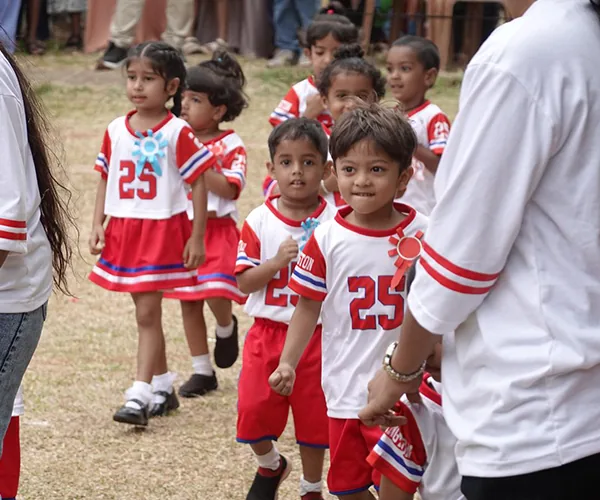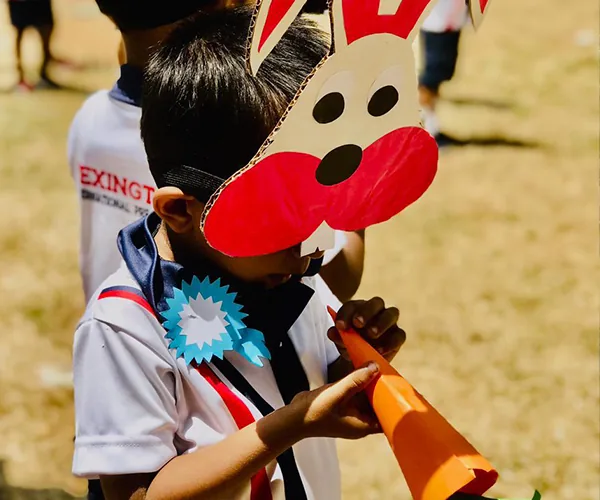

A new classroom brings unfamiliar people, sounds, and routines. Some children rush in; others need time. You do not have to make the first week perfect. A few predictable steps can make it easier for your child and for the adult bringing them to school.
A few days before the first day
Talk about what will happen in short, concrete sentences: “We will go to school, you will play with your teacher and friends, and I will come back after school.” If you can, walk or drive past the school together. Read a story about starting school or play “school” at home with toys. Let your child practise opening a water bottle and recognising their own bag.
Ask the school what to bring, how pickup works, and whether a comfort item is allowed. Pack together so your child knows where to find water, a snack, and spare clothes if requested. Mark belongings with their name. If grandparents or another caregiver will collect your child, tell the school who that person is and confirm its process.
Keep the morning simple
Leave enough time for breakfast and travel. A rushed goodbye can make a new routine feel harder. Say who will return and when in words your child understands, such as “after snack and story time”, if that matches the school's schedule. Use a brief, warm goodbye and follow the teacher's advice on where to hand over.
If your child cries, it does not automatically mean preschool is a bad fit. Share what you notice with the teacher and ask how your child settles after you leave. If distress continues or your child is finding the day difficult, work with the school on a gradual, realistic plan.
After pickup: listen before asking
Young children often cannot answer “What did you do all day?” Try smaller prompts: “Who did you sit next to?” “Did you play inside or outside?” “What made you laugh?” Quiet time, a snack, or play at home may help before a conversation. Tell the teacher anything that could affect the day, such as a disrupted sleep or a change in who will pick up.
A first-week rhythm
- Day one: Learn the arrival and pickup routine together.
- Next days: Keep the goodbye words and pickup plan consistent.
- End of week: Ask the teacher what your child enjoys and where extra support could help.
Children settle at different speeds. The goal is a steady partnership between home and school, not an instant transformation.